
Future of autonomous systems
2026/01/25
Autonomous systems are transitioning from controlled, digital environments into complex, physical, and unstructured environments, driven by AI, sensor fusion, and connectivity. The future centers on enhancing productivity, safety, and sustainability across sectors like transportation, logistics, and healthcare. Key trends include human-AI collaboration (not full replacement), 2025–2030, and the rise of humanoid robots.
Key Trends and Future Directions
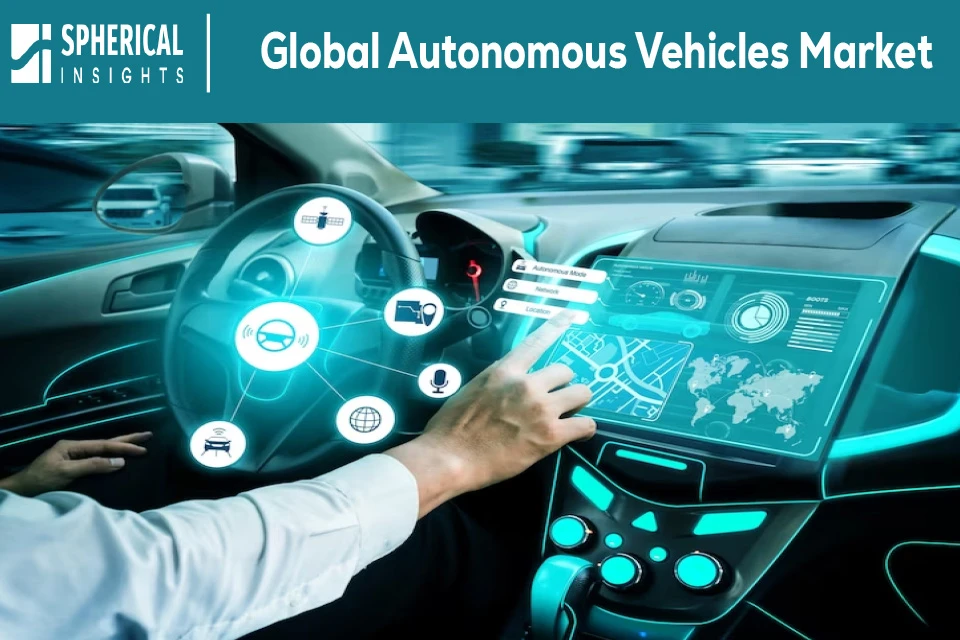
Advanced Mobility and Transportation: 2025 is a watershed year for autonomous vehicles, with robotaxis and ADAS technologies becoming more prevalent, although full L5 autonomy is not expected by 2030.
Human-Machine Collaboration: The focus is on hybrid intelligence—blending sophisticated AI with human oversight for safety and complex decision-making.
Humanoid Robots and Industrial Automation: By 2050, over 1 billion humanoid robots may exist, with 90% used in industrial or commercial roles, as noted in this analysis from Morgan Stanley.
Autonomous Infrastructure: By 2028, fully autonomous IT and physical infrastructure is expected to become the industry standard for managing systems at machine speed, says this blog post from the Cloud Native Computing Foundation.
Sustainability and Efficiency: Systems will enhance sustainability by optimizing logistics, agriculture, and energy consumption, reducing human-caused environmental impact.
Challenges and Considerations
Safety and Ethics: As systems gain autonomy, ensuring ethical operation, transparency, and safety remains paramount, say experts at KickstartAI.
Cybersecurity: Securing connected, autonomous agents against, for example, risks in aerial drones for maritime security is critical, note researchers at RISE.
Autonomous Warfare: The development of Lethal Autonomous Weapons Systems (LAWS) poses significant risks but is being pursued for faster decision-making, as explained in this Atlantic Council report.
Key Trends and Future Directions
Advanced Mobility and Transportation: 2025 is a watershed year for autonomous vehicles, with robotaxis and ADAS technologies becoming more prevalent, although full L5 autonomy is not expected by 2030.
Human-Machine Collaboration: The focus is on hybrid intelligence—blending sophisticated AI with human oversight for safety and complex decision-making.
Humanoid Robots and Industrial Automation: By 2050, over 1 billion humanoid robots may exist, with 90% used in industrial or commercial roles, as noted in this analysis from Morgan Stanley.
Autonomous Infrastructure: By 2028, fully autonomous IT and physical infrastructure is expected to become the industry standard for managing systems at machine speed, says this blog post from the Cloud Native Computing Foundation.
Sustainability and Efficiency: Systems will enhance sustainability by optimizing logistics, agriculture, and energy consumption, reducing human-caused environmental impact.
Challenges and Considerations
Safety and Ethics: As systems gain autonomy, ensuring ethical operation, transparency, and safety remains paramount, say experts at KickstartAI.
Cybersecurity: Securing connected, autonomous agents against, for example, risks in aerial drones for maritime security is critical, note researchers at RISE.
Autonomous Warfare: The development of Lethal Autonomous Weapons Systems (LAWS) poses significant risks but is being pursued for faster decision-making, as explained in this Atlantic Council report.



受付中
Majordomesticsites
最終ログイン:2026/01/25
0
0
実績:0件 |
進行中:0件
職種 トータルデザイン | Webデザイン
時間単価 ¥0~
稼働可能時間
他の作品を見る