
Vendor lock-in risks
2026/01/25
Vendor lock-in occurs when a customer becomes dependent on a single provider for products or services, making switching to competitors too costly, time-consuming, or technically difficult. Key risks include significantly higher, uncontrolled costs, reduced operational flexibility, limited innovation, and potential service failures.
Key Risks of Vendor Lock-in:
High Financial Costs: Vendors may increase prices over time, knowing that switching is difficult, potentially leading to massive subscription hikes (e.g., up to 177% in some cases).
Limited Flexibility & Agility: Dependence on a single vendor makes it difficult to pivot in response to market changes or to adopt new technologies, causing stagnation.
Operational Failures & Vulnerabilities: Over-reliance creates a single point of failure. If the vendor experiences a security breach, service outage, or goes out of business, it can halt operations.
Data Portability Issues: Proprietary formats or, in the case of SaaS, lack of control over data, makes migrating to new, better-suited systems complex and expensive.
Stifled Innovation: When tied to one vendor’s roadmap, an organization may lose access to cutting-edge tools offered by other providers, hindering long-term growth.
Compliance & Sovereignty Risks: Relying on a single, often international, vendor can cause issues with data protection regulations (like GDPR) or geopolitical, territory-based risks.
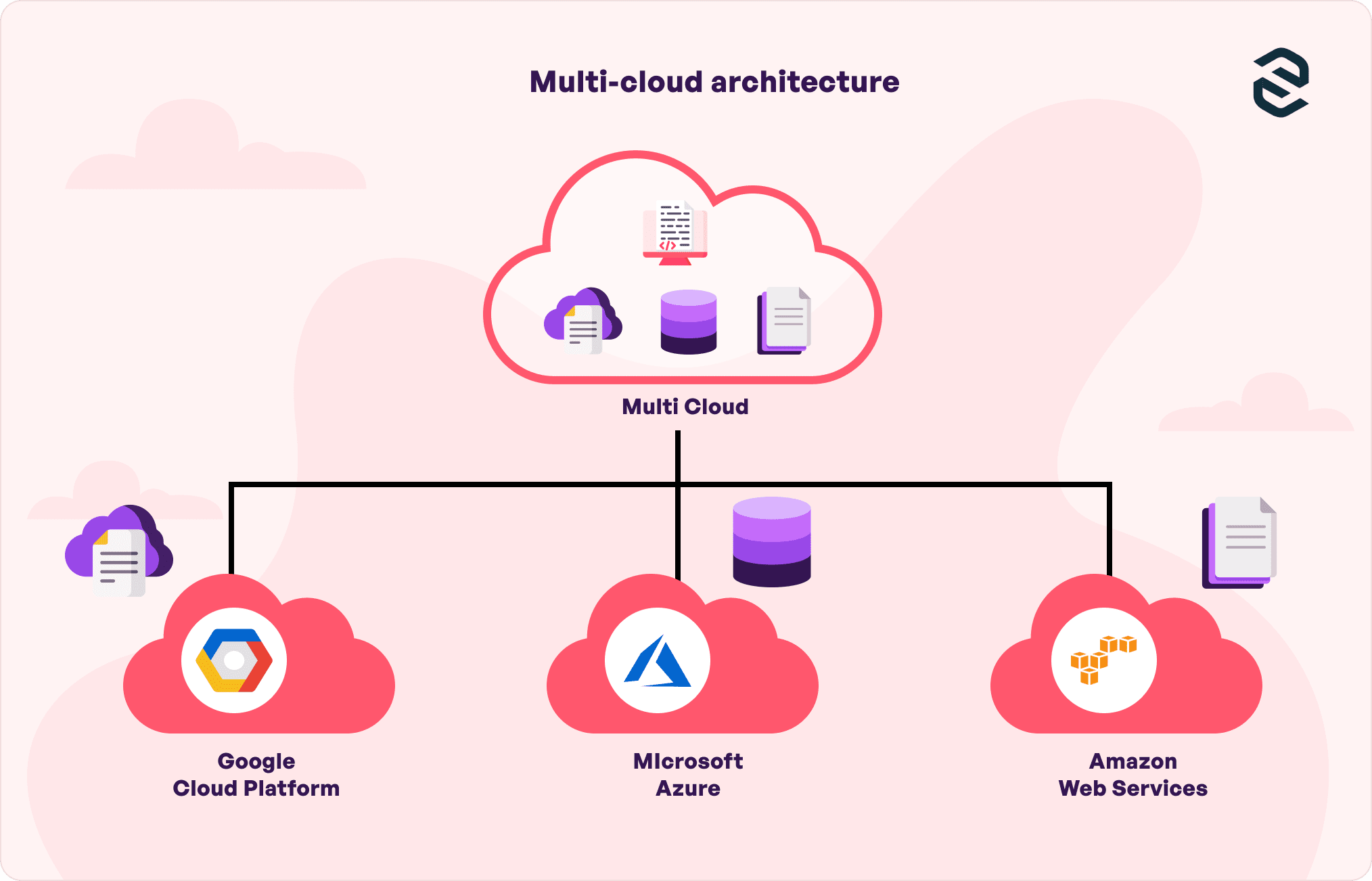
To mitigate these risks, organizations often use a diversified, multi-vendor approach and prioritize open-access tools that ensure data portability.
Key Risks of Vendor Lock-in:
High Financial Costs: Vendors may increase prices over time, knowing that switching is difficult, potentially leading to massive subscription hikes (e.g., up to 177% in some cases).
Limited Flexibility & Agility: Dependence on a single vendor makes it difficult to pivot in response to market changes or to adopt new technologies, causing stagnation.
Operational Failures & Vulnerabilities: Over-reliance creates a single point of failure. If the vendor experiences a security breach, service outage, or goes out of business, it can halt operations.
Data Portability Issues: Proprietary formats or, in the case of SaaS, lack of control over data, makes migrating to new, better-suited systems complex and expensive.
Stifled Innovation: When tied to one vendor’s roadmap, an organization may lose access to cutting-edge tools offered by other providers, hindering long-term growth.
Compliance & Sovereignty Risks: Relying on a single, often international, vendor can cause issues with data protection regulations (like GDPR) or geopolitical, territory-based risks.
To mitigate these risks, organizations often use a diversified, multi-vendor approach and prioritize open-access tools that ensure data portability.



受付中
Majordomesticsites
最終ログイン:2026/01/25
0
0
実績:0件 |
進行中:0件
職種 トータルデザイン | Webデザイン
時間単価 ¥0~
稼働可能時間
他の作品を見る