
キャビネットやビルトイン用竹合板の究極ガイド
2026/01/15
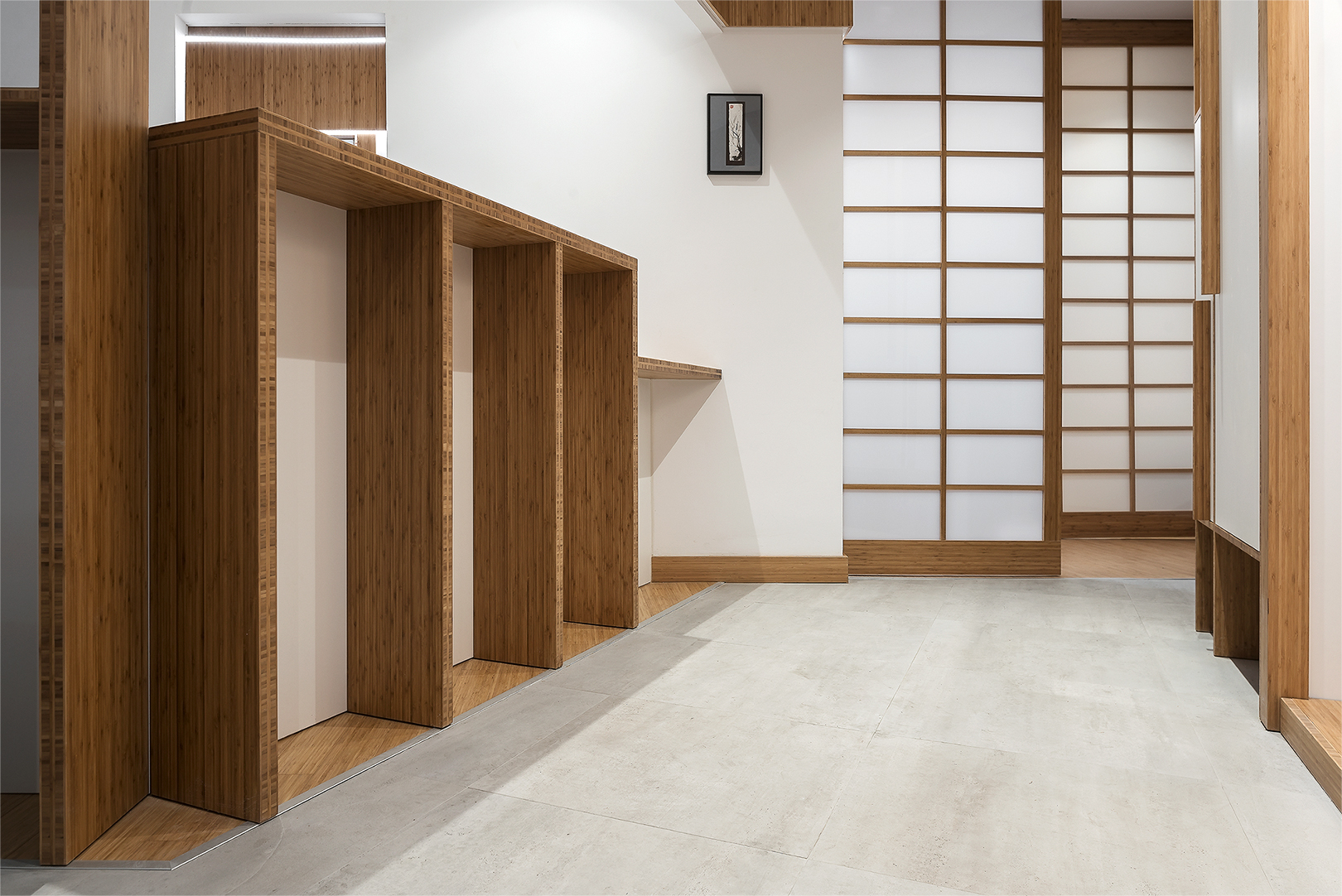
Bamboo plywood has become a favored option among woodworkers, architects, and interior designers who want a material that is strong, attractive, and environmentally responsible. When used for cabinets and built‑ins, bamboo plywood delivers a clean, modern look while maintaining the durability needed for everyday use. Its unique structure, natural grain patterns, and impressive stability allow it to perform well in kitchens, bathrooms, closets, offices, and custom storage installations.
As demand grows for sustainable materials that don’t compromise on style or performance, bamboo plywood continues to stand out. Understanding how it’s made, where it works best, and how to choose the right grade ensures successful projects that age gracefully. This detailed discussion explores what makes bamboo plywood well‑suited for cabinets and built‑ins, along with considerations that help designers and builders work with confidence.
How Bamboo Plywood Is Made
Bamboo plywood begins with carefully harvested bamboo culms—typically from species known for their straight growth and dense fibers. The culms are sliced into thin strips, boiled or steamed to remove sugars and starches, dried thoroughly, and pressed into sheets using adhesives and high pressure.
Three primary grain orientations shape its appearance:
Vertical grain: Narrow, uniform lines that create a sleek, contemporary look
Horizontal grain: Wider, more traditional lines with a calm, natural feel
Strand‑woven: A dense, interwoven appearance that resembles hardwood
These variations allow bamboo plywood to suit both minimalist and intricate design styles.
As demand grows for sustainable materials that don’t compromise on style or performance, bamboo plywood continues to stand out. Understanding how it’s made, where it works best, and how to choose the right grade ensures successful projects that age gracefully. This detailed discussion explores what makes bamboo plywood well‑suited for cabinets and built‑ins, along with considerations that help designers and builders work with confidence.
How Bamboo Plywood Is Made
Bamboo plywood begins with carefully harvested bamboo culms—typically from species known for their straight growth and dense fibers. The culms are sliced into thin strips, boiled or steamed to remove sugars and starches, dried thoroughly, and pressed into sheets using adhesives and high pressure.
Three primary grain orientations shape its appearance:
Vertical grain: Narrow, uniform lines that create a sleek, contemporary look
Horizontal grain: Wider, more traditional lines with a calm, natural feel
Strand‑woven: A dense, interwoven appearance that resembles hardwood
These variations allow bamboo plywood to suit both minimalist and intricate design styles.



受付中
退会済みのユーザー
最終ログイン:2026/01/15
0
0
実績:0件 |
進行中:0件
職種 写真撮影・画像編集
時間単価 ¥0~
稼働可能時間
他の作品を見る