


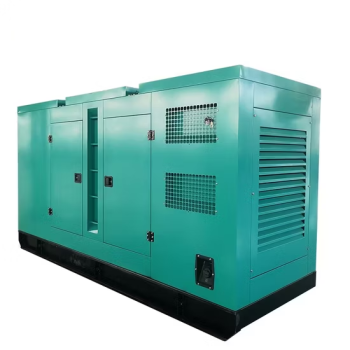
dieselgenerators


職種
トータルデザイン | Webデザイン | コーディング
スキル
制作実績を確認されたい場合は直接クリエイターにご連絡ください。
- 時間単価
- ¥0~
- 稼働可能時間
The Future of Diesel Generators in a Renewable World
[url=https://futureprofilez.com/laravel-web-development-company-india/]Laravel Development Company india[/url]
<link address="https://futureprofilez.com/laravel-web-development-company-india/">Laravel Development Agency India</link>
<a href="https://futureprofilez.com/laravel-web-development-company-india/"> Laravel Development Agency India </a>
**[Best Shopify Development Service india](https://futureprofilez.com/magento-ecommerce-web-development-company-india/)**
https://futureprofilez.com/laravel-web-development-company-india/
{{[Magento Development Company India->https://futureprofilez.com/magento-ecommerce-web-development-company-india/]}}
<blockquote></blockquote>
The "Future of Diesel" isn't about those smoky, loud machines from the 90s. It’s about a high-precision, digital transition where the generator acts as the steady heartbeat of a renewable micro-grid. Here is how the landscape of off-grid power is being rewritten.
1. The "Firming" Revolution: Bridging the Gap
The biggest headache with wind and solar in 2026 is still "intermittency." You can have all the panels in the world, but if a storm hits or your battery storage hits a safety cutoff, your business stops. This is where the modern generator has found its new calling: Grid Firming.
Instead of running 24/7, these units sit in a "Ready-to-Sync" state. Using high-speed satellite weather data and real-time load sensing, the system can actually predict a drop in solar output before it happens. The generator fires up, syncs to the micro-grid in seconds, and "firms" the power levels so the transition is invisible to your servers. It’s the elite security guard that never lets the lights flicker.
2. HVO: The "Net Zero" Liquid Fuel
If you think diesel is "dirty," you haven't kept up with the shift toward HVO (Hydrotreated Vegetable Oil). This is a synthetic, renewable paraffinic diesel made from waste fats and oils. It is the single biggest reason generators are surviving the green transition.
HVO is a "drop-in" fuel. You don't need to change a single bolt on a modern engine to run it.
90% Carbon Reduction: You keep the brute-force reliability of a diesel engine while slashing your net emissions.
Storage Life: Mineral diesel grows "the bug" (algae) if it sits for six months. HVO is sterile. It can sit in a standby tank for ten years and fire up on the first crank.
3. The Rise of the "Digital Twin"
In 2026, we don't just "hope" the generator starts. Every industrial set is now part of a Digital Twin ecosystem. Sensors on the block, the alternator, and the fuel lines send a constant stream of "vitals" to a cloud dashboard.
This allows for Predictive Maintenance. If the system "hears" a harmonic vibration in a bearing or sees a 2% drop in fuel pressure, it pings the site manager’s phone weeks before a failure actually occurs. In a renewable world where the generator is the final line of defense, this level of data certainty is what allows hospitals to trust their "Energy Island" setup.
4. Handling the "Violent" Electrical Spikes
As we move toward more electric machinery—forklifts, massive HVAC units, and heavy-duty pumps—the strain on local grids is becoming "violent." These machines draw a massive "Inrush Current" that can cause solar inverters to trip or batteries to "sag" in voltage.
Diesel engines have something that electronics don't: Mechanical Inertia. The physical weight of a spinning crankshaft and a heavy iron flywheel provides a "buffer" against these spikes. The engine can "muscle through" a load spike that would leave a purely electronic system in the dark. In 2026, the generator is the "muscle" that protects the "brains" of the renewable system.
5. Micro-Grids: Total Energy Sovereignty
We are seeing a massive trend toward "Energy Sovereignty." Businesses are tired of being at the mercy of an aging national grid. The future is the Hybrid Micro-Grid:
Solar/Wind: Provides the cheap, daytime base load.
Battery Storage: Handles the minor fluctuations and night-time lighting.
The Diesel Generator: Acts as the "Anchor." It handles the heavy industrial starts and provides a 100% guarantee during multi-day weather events.
This "Three-Pillar" approach is the most cost-effective way to run a business in 2026. You get the low running costs of renewables with the "Zero-Fail" guarantee of a diesel engine.
6. Hydrogen: The Next Frontier?
Looking further ahead, the diesel engines we are installing today are the "bridge" to the hydrogen economy. Many modern internal combustion engines are already being tested with "Dual-Fuel" kits that run a mix of diesel and hydrogen. As green hydrogen becomes cheaper toward 2030, the "iron" we invest in today will likely be retrofitted to run on zero-carbon gas, making the transition seamless.
実績
おすすめクリエイター

miyamoto
Webデザイン,コーディング,グラフィックデザイン,DTPオペレーション,写真撮影・画像編集- 実績:0件
- 時間単価:¥3,000~
- 稼働可能時間:1週間に20時間
Hayakawa IT Solutions
Webデザイン,コーディング,グラフィックデザイン- 実績:0件
- 時間単価:¥0~
- 稼働可能時間:

The Future of Diesel Generators in a Renewable World
[url=https://futureprofilez.com/laravel-web-development-company-india/]Laravel Development Company india[/url]
<link address="https://futureprofilez.com/laravel-web-development-company-india/">Laravel Development Agency India</link>
<a href="https://futureprofilez.com/laravel-web-development-company-india/"> Laravel Development Agency India </a>
**[Best Shopify Development Service india](https://futureprofilez.com/magento-ecommerce-web-development-company-india/)**
https://futureprofilez.com/laravel-web-development-company-india/
{{[Magento Development Company India->https://futureprofilez.com/magento-ecommerce-web-development-company-india/]}}
<blockquote></blockquote>
The "Future of Diesel" isn't about those smoky, loud machines from the 90s. It’s about a high-precision, digital transition where the generator acts as the steady heartbeat of a renewable micro-grid. Here is how the landscape of off-grid power is being rewritten.
1. The "Firming" Revolution: Bridging the Gap
The biggest headache with wind and solar in 2026 is still "intermittency." You can have all the panels in the world, but if a storm hits or your battery storage hits a safety cutoff, your business stops. This is where the modern generator has found its new calling: Grid Firming.
Instead of running 24/7, these units sit in a "Ready-to-Sync" state. Using high-speed satellite weather data and real-time load sensing, the system can actually predict a drop in solar output before it happens. The generator fires up, syncs to the micro-grid in seconds, and "firms" the power levels so the transition is invisible to your servers. It’s the elite security guard that never lets the lights flicker.
2. HVO: The "Net Zero" Liquid Fuel
If you think diesel is "dirty," you haven't kept up with the shift toward HVO (Hydrotreated Vegetable Oil). This is a synthetic, renewable paraffinic diesel made from waste fats and oils. It is the single biggest reason generators are surviving the green transition.
HVO is a "drop-in" fuel. You don't need to change a single bolt on a modern engine to run it.
90% Carbon Reduction: You keep the brute-force reliability of a diesel engine while slashing your net emissions.
Storage Life: Mineral diesel grows "the bug" (algae) if it sits for six months. HVO is sterile. It can sit in a standby tank for ten years and fire up on the first crank.
3. The Rise of the "Digital Twin"
In 2026, we don't just "hope" the generator starts. Every industrial set is now part of a Digital Twin ecosystem. Sensors on the block, the alternator, and the fuel lines send a constant stream of "vitals" to a cloud dashboard.
This allows for Predictive Maintenance. If the system "hears" a harmonic vibration in a bearing or sees a 2% drop in fuel pressure, it pings the site manager’s phone weeks before a failure actually occurs. In a renewable world where the generator is the final line of defense, this level of data certainty is what allows hospitals to trust their "Energy Island" setup.
4. Handling the "Violent" Electrical Spikes
As we move toward more electric machinery—forklifts, massive HVAC units, and heavy-duty pumps—the strain on local grids is becoming "violent." These machines draw a massive "Inrush Current" that can cause solar inverters to trip or batteries to "sag" in voltage.
Diesel engines have something that electronics don't: Mechanical Inertia. The physical weight of a spinning crankshaft and a heavy iron flywheel provides a "buffer" against these spikes. The engine can "muscle through" a load spike that would leave a purely electronic system in the dark. In 2026, the generator is the "muscle" that protects the "brains" of the renewable system.
5. Micro-Grids: Total Energy Sovereignty
We are seeing a massive trend toward "Energy Sovereignty." Businesses are tired of being at the mercy of an aging national grid. The future is the Hybrid Micro-Grid:
Solar/Wind: Provides the cheap, daytime base load.
Battery Storage: Handles the minor fluctuations and night-time lighting.
The Diesel Generator: Acts as the "Anchor." It handles the heavy industrial starts and provides a 100% guarantee during multi-day weather events.
This "Three-Pillar" approach is the most cost-effective way to run a business in 2026. You get the low running costs of renewables with the "Zero-Fail" guarantee of a diesel engine.
6. Hydrogen: The Next Frontier?
Looking further ahead, the diesel engines we are installing today are the "bridge" to the hydrogen economy. Many modern internal combustion engines are already being tested with "Dual-Fuel" kits that run a mix of diesel and hydrogen. As green hydrogen becomes cheaper toward 2030, the "iron" we invest in today will likely be retrofitted to run on zero-carbon gas, making the transition seamless.